Open Mic Comedy Checklist: 12 Things to Prepare Before Your First Five Minutes

The first time you stand in front of an open-mic crowd, five minutes can feel like a very long hallway. You have a drink in one hand, a microphone in the other, and a set list that suddenly looks like it belongs to someone else. The good news is that most first-set disasters are not about talent. They are about preparation.
An open mic is a testing ground, not a final exam. You do not need to be perfect. You need to be clear, timed, and ready to handle the small surprises that happen in every room: a late start, a distracted crowd, a mic that squeals, a joke that dies. The checklist below covers the twelve things worth preparing before you take your first five minutes.
Open mics are not all the same. A comedy night in a basement bar, a mixed-bill show in a bookstore, and a friendly room above a restaurant can have completely different rhythms. Before you write your name on a sign-up sheet, learn how the evening works. Arrive early enough to watch the host, hear the rules, and see how the room responds to other performers.
Ask three questions before you go:
Write the answers down. If the slot is five minutes, plan for four and a half. If the host uses a light from the back of the room, find out where it will be so you are not surprised by it mid-joke. Small logistics calm large nerves.
Your first set should be two or three bits, not twelve. A five-minute slot is not five minutes of material; it is five minutes of stage time, including pauses, laughter, movement, and the seconds it takes to get the mic to your mouth. Choose material you can perform, not just material you like on the page.
A joke that reads well in a notebook can collapse in your mouth. Look for bits with a clear premise, a turn, and a punchline you can deliver without rushing. If a bit depends on an accent, a prop, or a long setup you have not rehearsed, leave it for open mic number four. You want your first set to show the room who you are, not to prove you can survive a complicated routine.
The audience decides whether to trust you in the first thirty seconds. Do not spend them apologizing, explaining that this is your first time, or telling the room you are nervous. Open with a joke that lands without context. A short, clear bit tells the crowd what kind of comedy they are about to hear and gives you an early win to carry into the next line.
Your goal is to finish while the room still wants more, not while the host is waving a light. Time moves faster on stage. A bit that takes two minutes in your kitchen can take three in front of an audience, especially if you pause for laughs or lose your place. Cut one small section, a tangent, or a tag. Leaving thirty seconds of air in your set is not wasted time; it is your insurance policy.
Reading your set in your head is not rehearsal. It is proofreading. Run the set out loud at least three times with a timer. Stand up. Hold something the size of a mic. Say the words at performance volume, even if your only audience is a bookshelf. You will hear filler, awkward transitions, and lines that looked sharper on paper.
Record one run on your phone and listen back once. You are not judging your voice or your worth as a performer. You are checking pace, clarity, and whether the punchlines arrive where you expected. Then put the phone away and do another run without it.
Use a piece of paper or an index card. Number each bit, write the first line, and write your exit line at the bottom. Keep a photo on your phone as backup, but do not rely on a notes app you have to scroll through under a hot light. A physical set list lets you glance down without breaking the room’s attention for too long.
The seconds between bits are where first-timers often lose the room. Practice moving from one idea to the next with a simple bridge: “Which reminds me,” “Speaking of bad decisions,” or a clean pause. You do not need a scripted transition for every beat, but you do need to know how you will get from joke A to joke B without shuffling papers and saying, “Anyway.”
Stage presence is mostly not doing extra things. Plant your feet. Keep the mic about a hand’s width from your mouth. Speak into it rather than over it. If there is no mic, project from your chest and slow down. Find three friendly faces in different parts of the room and move your attention between them. Pause after a punchline long enough for the laugh to finish, but not so long that the silence becomes the joke.
If you are using a mic stand, decide before you walk on whether you will hold the mic or leave it in the stand. Fumbling with the stand in your first thirty seconds costs more than it saves. If you have a drink, put it on a chair or table behind you, not in the hand that needs to gesture.
A reset line is a short, honest phrase that buys you a second without begging the audience to like you. “That one was for me.” “Let’s try another.” “Tough room, good music.” Pick one or two lines and practice saying them without apologizing. If a joke dies, do not tell the room it died. Move to the next bit. The crowd will forget a flat line faster than you will.
Know exactly how you will end. An exit line can be a final punchline, a quick callback, or a simple “Thank you, good night.” What it should not be is “That’s it, I guess.” End with intent, even if the set has not gone the way you planned. If the host signals you early, you need a shorter version of the set. Decide in advance which bit you can drop and still reach your ending.
Pack a small practical kit: water, your paper set list, a pen, a charged phone, and a spare layer in case the room is cold. Arrive early enough to check in, find the bathroom, and watch a few performers. Keep your set list in your pocket, not at the bottom of a bag. If you have severe or persistent performance anxiety that affects daily life, not just open mics, consider speaking with a qualified professional.
If the mic cuts out, step forward and project. If the crowd talks through your set, do not fight them with volume. Slow down, stay with your strongest bit, and keep your focus on the people who are listening. If you forget a line, glance at your set list, take a breath, and continue. The audience does not know your script. They only know whether you seem like you are still in charge.
Do not judge your whole comedy future in the parking lot. A first open mic is data, not identity. Write down one thing that worked and one thing you will change. Maybe the opening joke landed but the middle bit needs a sharper turn. Maybe you held the mic too low. Maybe the room was quiet and you kept going anyway, which is its own skill.
Thank the host, watch a few other performers, and keep your set list. That marked-up page is the beginning of your next five minutes. The goal of the first set is not to be the best comic in the room. It is to become a person who can walk on stage, say what you prepared, handle the unexpected, and come back with something better.
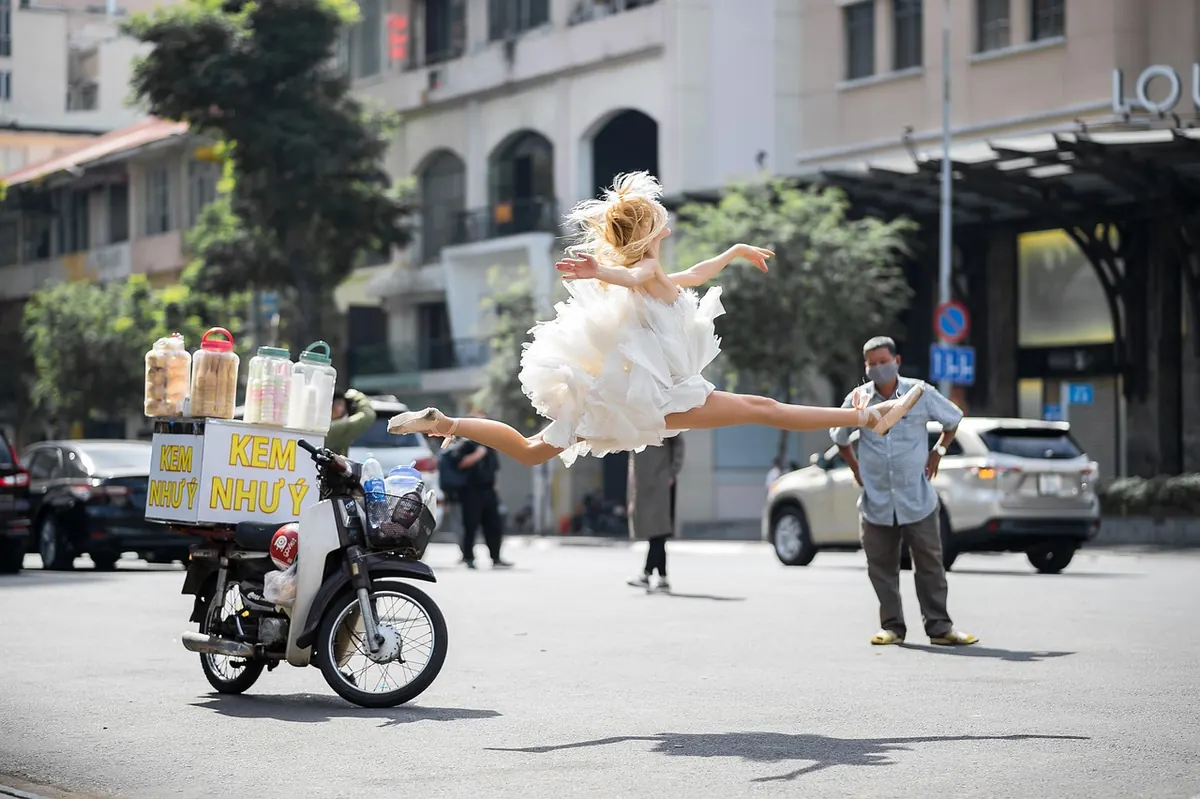
Photo: Fun4All / Pixabay
Previous Post
How to Listen to Live Jazz: A Beginner's Guide to Improvisation and Interaction
Next Post
Why New Stand-Up Sets Fail: 7 Common Mistakes and How to Fix Them